
Home Insurance in California: Key Coverage Components Every Homeowner Must Understand
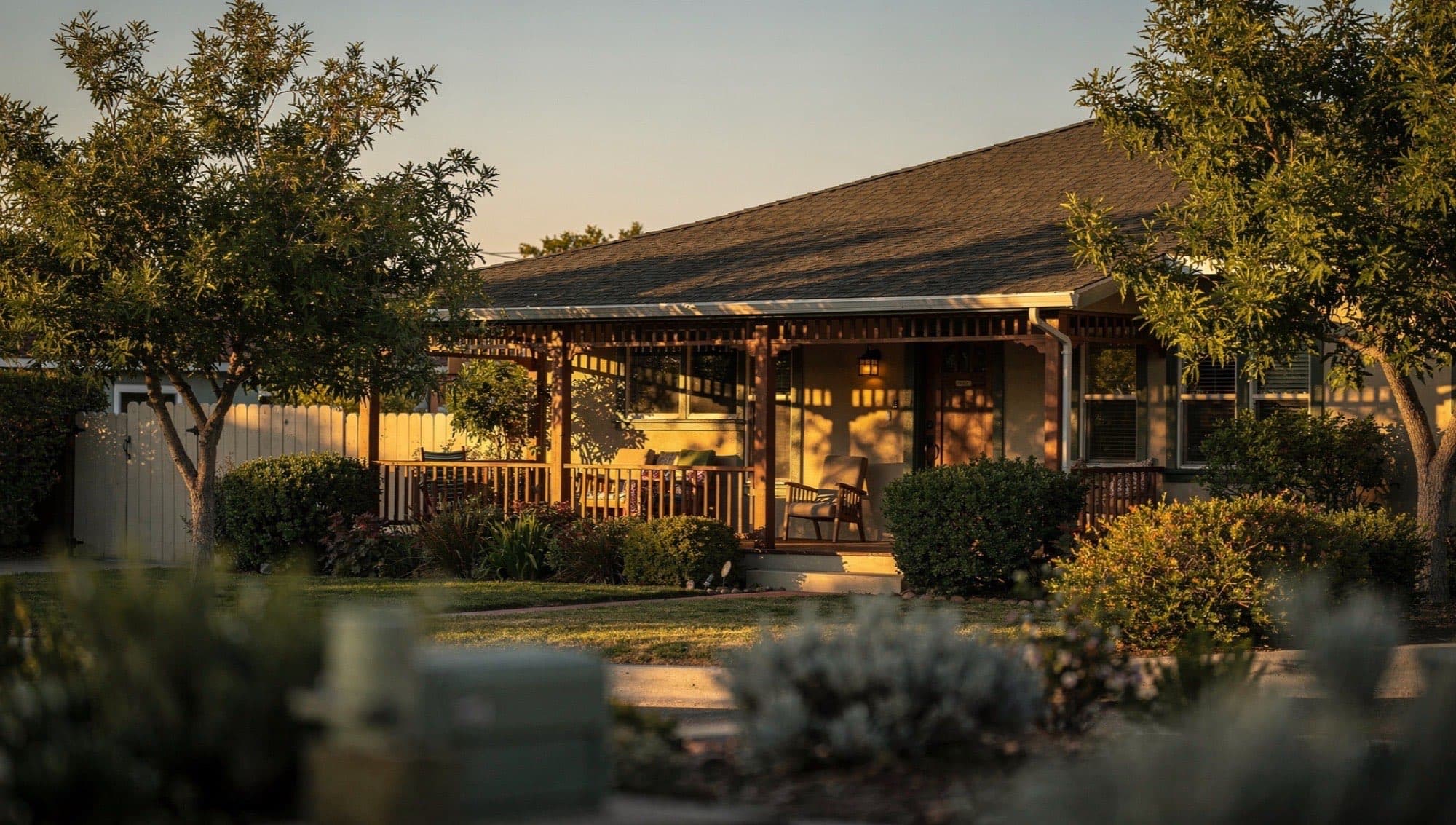
California homeowners face unique insurance challenges—from wildfire risks to earthquake damage—that make understanding your home insurance policy absolutely critical. Whether you're a first-time buyer or a long-time resident, knowing what your policy covers and what it doesn't can mean the difference between financial security and significant out-of-pocket losses.
Home insurance isn't a one-size-fits-all product. Your policy is built from multiple coverage components, each designed to protect different aspects of your home and life. In this guide, we'll break down the key components of a comprehensive home insurance policy so you can make informed decisions about your coverage needs.
Dwelling Coverage
Protects the structure of your home, including walls, roof, built-in appliances, and permanent fixtures against covered perils like fire and theft.
Personal Property Coverage
Covers your belongings—furniture, clothing, electronics—if they're damaged, destroyed, or stolen, both inside and outside your home.
Liability Protection
Shields you financially if someone is injured on your property or you accidentally damage someone else's property.
Additional Living Expenses
Covers temporary housing and living costs if your home becomes uninhabitable due to a covered loss.
Understanding Dwelling Coverage: Protecting Your Home's Structure
Dwelling coverage is the foundation of your home insurance policy. This component protects the physical structure of your home—the walls, roof, flooring, built-in appliances, and permanent fixtures. If your home is damaged by a covered peril like fire, windstorm, or theft, dwelling coverage pays for repairs or rebuilding.
In California, it's essential to ensure your dwelling coverage limit reflects the actual replacement cost of your home, not its market value. Many homeowners underestimate reconstruction costs, leaving themselves underinsured. Your agent can help you calculate an appropriate coverage limit based on current building costs in your area.
Review your dwelling coverage limit annually and adjust it if you've made major home improvements or if construction costs in your area have increased significantly.
Personal Property Coverage: Protecting What You Own
While dwelling coverage protects your home's structure, personal property coverage protects your belongings. This includes furniture, clothing, electronics, books, and other items you own inside your home. Most policies also extend coverage to personal property temporarily away from home, like luggage during travel or sports equipment at the gym.
Personal property coverage typically pays up to 50-70% of your dwelling coverage limit, though you can often increase this if needed. Keep in mind that most policies have sub-limits for certain high-value items like jewelry, art, or collectibles. If you own items of significant value, you may need to add scheduled personal property endorsements for full protection.
What Personal Property Coverage Includes
- Furniture and home furnishings
- Electronics and appliances (not built-in)
- Clothing and personal items
- Outdoor equipment and tools (with limits)
- Belongings away from home
- Temporary emergency repairs
Liability Coverage: Your Financial Protection Against Claims
Liability coverage is often overlooked, but it's one of the most important components of your home insurance. This coverage protects you financially if someone is injured on your property or if you accidentally damage someone else's property. It covers legal defense costs, medical bills, and settlement payments—costs that can easily exceed $100,000 in a serious incident.
For example, if a guest slips on your icy driveway and requires surgery, or your child accidentally breaks your neighbor's window with a baseball, liability coverage steps in to handle the claims.
Most homeowners carry between $300,000 and $500,000 to $1000,000 in liability coverage, though those with significant assets may benefit from an umbrella policy for additional protection.
Additional Living Expenses: Staying Afloat After a Major Loss
Additional living expenses (ALE) coverage is critical in California, where catastrophic events like fires can force families to relocate temporarily. This coverage reimburses you for the difference between your normal living expenses and what you spend while your home is being repaired or rebuilt.
ALE covers temporary housing, restaurant meals, laundry services, transportation, and other reasonable expenses incurred while your home is uninhabitable. Most policies limit ALE to 20-30% of your dwelling coverage, but you can often increase this limit.
Given the increased risk of wildfires in California, ensure your ALE coverage is adequate. Temporary housing costs can skyrocket during widespread disasters when hotel availability is limited.
Special Considerations for California Homeowners
California's unique risk profile requires additional attention when choosing home insurance coverage. The state's wildfire season, combined with earthquake and mudslide risks in certain areas, means you need to understand coverage limitations and exclusions specific to your location.
Wildfire and Fire Coverage
Standard home insurance covers damage from fire, but many insurers have become more selective about coverage in high-fire-risk areas. If you live in a designated fire zone, securing adequate coverage may require working with specialized insurers or the California FAIR Plan. Make sure your policy covers debris removal and increased construction costs if rebuilding is necessary after a wildfire.
Earthquake Coverage
Earthquake damage is typically excluded from standard home insurance policies in California. If you want protection against earthquake damage, you'll need to purchase a separate earthquake insurance policy. Given California's seismic activity, this is worth considering, especially if you have a mortgage in a seismically active area.
Water and Flood Coverage
Standard homeowners insurance doesn't cover flooding, and California homeowners in flood zones should seriously consider separate flood insurance, particularly in areas prone to mudslides or heavy rainfall.
How to Choose the Right Coverage Levels
The best home insurance policy balances comprehensive protection with affordable premiums. Start by assessing your home's replacement cost, your personal property value, and your potential liability exposure. Consider factors like your home's age, location, construction materials, and proximity to fire or flood risk zones.
Working with an experienced insurance agent—like SureNest Insurance Services—ensures you understand your coverage options and avoid costly gaps or redundancies. Our team specializes in helping California homeowners find policies tailored to their specific needs and risks.
"The goal of home insurance is to protect your most valuable asset while ensuring you have the financial resources to rebuild your life if disaster strikes. That's why understanding your coverage matters."
Final Thoughts: Review Your Policy Regularly
Your home and circumstances change over time. As you make home improvements, add valuable items, or experience changes in your neighborhood's risk profile, your insurance needs evolve too. Review your home insurance policy annually to ensure your coverage limits remain adequate and your policy reflects your current situation.
Home insurance isn't just about meeting a mortgage requirement—it's about protecting one of your most significant investments and ensuring your family's financial security. By understanding the key components of your policy and choosing appropriate coverage levels, you'll have peace of mind knowing you're truly protected.
Get a Personalized Home Insurance Review Today
Don't leave your home's protection to chance. Contact SureNest Insurance Services to discuss your coverage needs and ensure your policy is tailored for California's unique risks. Speak with an experienced agent [email protected] who can answer your questions and help you find the right coverage for your home.