
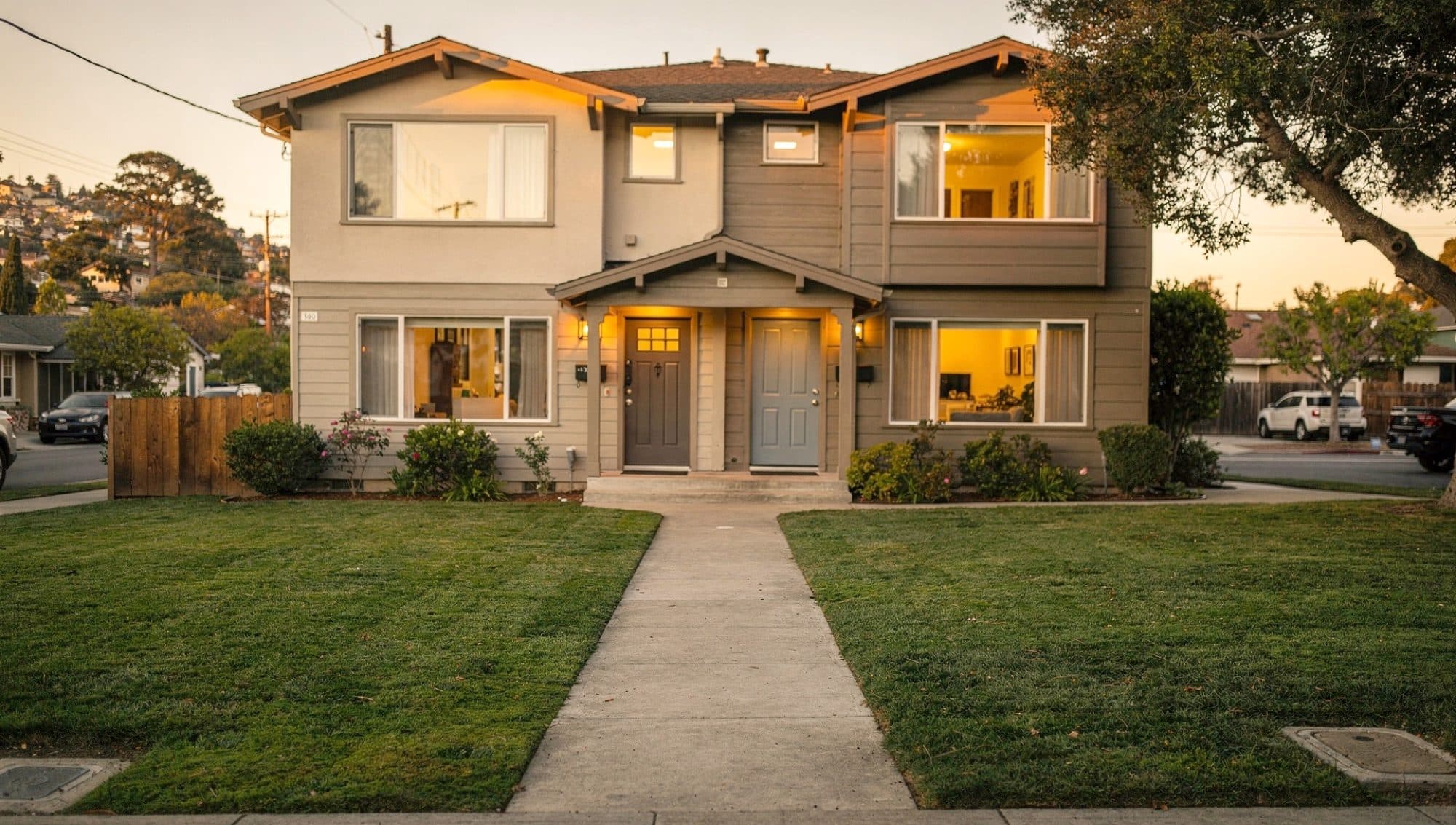
Landlord Insurance for Bay Area Rental Properties
If you rent out a house, condo, or unit, a standard homeowners policy won't cover you. Landlord insurance protects the structure, covers loss of rental income if the property becomes uninhabitable after a covered event, and includes liability coverage if a tenant or visitor is injured on the property.
What it covers
- The rental structure itself — the building you own and rent out
- Loss of rental income while the property is uninhabitable after a covered loss
- Liability protection if a tenant or visitor is injured on the property
- Landlord-owned contents — appliances, furnishings in a furnished rental
- Detached structures on the property (garage, fence, shed)
Who needs it
Anyone renting out a property they own — a single-family home, a condo, a duplex, or a unit in a larger building. It applies whether you rent long-term to a tenant on a lease or short-term to guests.
If you moved out of a home and started renting it rather than selling it, this is the policy you need. Keeping the old homeowners policy in place is one of the most common and most expensive mistakes we see.
Common gaps we see
A tenant's renters insurance covers their belongings — not your building. And a standard homeowners policy generally won't pay a claim on a property you don't live in, which owners often discover only after a loss. We make sure the policy matches how the property is actually being used.
How SureNest helps
As an independent broker, we compare multiple carriers to match your situation with the right policy — not a one-size-fits-all plan pushed by a single insurer.