
Premises Liability vs. General Liability: What Builder-Owners Need to Know
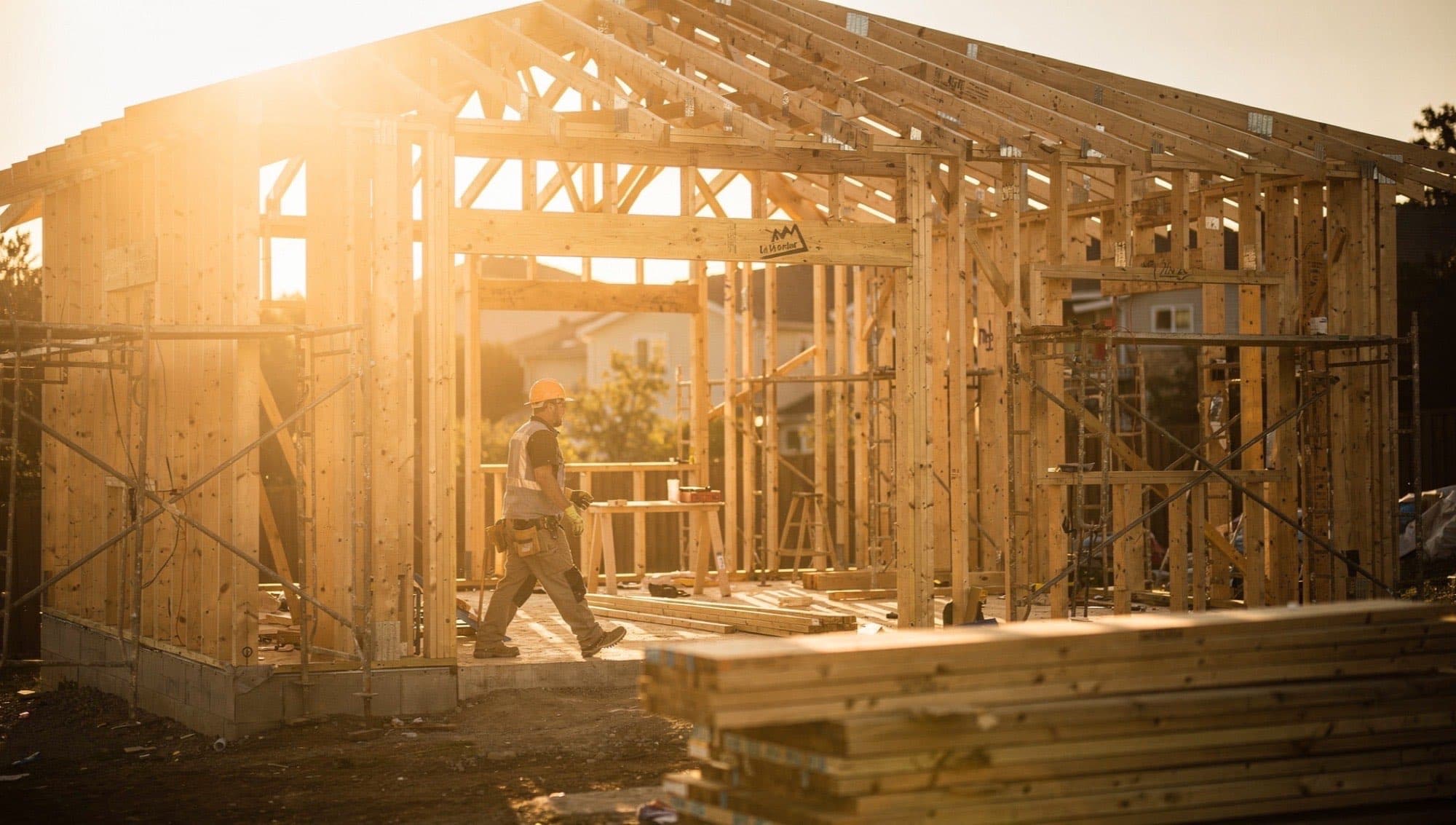
When you're building your own house, understanding your insurance coverage is just as important as understanding your blueprints. Two types of liability insurance often get confused: premises liability and general liability. For a homeowner acting as their own builder, knowing the difference between these coverages could mean the difference between complete financial protection and a costly gap in coverage.
Whether you're overseeing contractors, working on construction yourself, or simply managing the building process, liability risks are inevitable. A visitor could slip on wet concrete. A contractor's equipment might damage a neighbor's property. A worker could be injured on your site. Each scenario requires different types of coverage, and understanding which insurance applies to what situation will help you stay protected.
Premises Liability Focuses on Your Property
Covers injuries and accidents that happen on your property, protecting against third-party bodily injury and property damage claims.
General Liability is Broader & Construction-Focused
Covers liability arising from your business operations, including construction work you perform or oversee.
Coverage Overlap Exists But Gaps Remain
While there's some overlap, certain construction-related risks are only covered under general liability policies.
Builder-Owners Need Both for Complete Protection
Acting as your own contractor means you need both coverages to address all liability scenarios during construction.
What is Premises Liability Insurance?
Premises liability insurance is designed to protect property owners when someone is injured or their property is damaged while they're on your land. In the context of a home under construction, this coverage applies when third parties—visitors, neighbors, or passersby—suffer injury or property damage on your building site.
For example, if a neighbor's child wanders onto your construction site and falls into an unsecured trench, premises liability would cover their medical expenses and any resulting lawsuit. Similarly, if your construction debris damages a neighbor's fence or roof, premises liability steps in to handle those claims.
Premises liability is essentially about protecting others from hazards created by the condition of your property itself, not necessarily from work you're performing.
Typical Premises Liability Scenarios
- A visitor trips on exposed rebar or construction materials and breaks their arm
- Dust or debris from your construction site damages a neighbor's vehicle
- Someone is injured by falling materials or structures on your property
- An animal or trespasser is injured by an unsafe condition you created
What is General Liability Insurance?
General liability insurance (also called commercial general liability or CGL) is broader and specifically designed for business operations and professional activities. When you're acting as a builder of your own home, this coverage becomes critical because it covers liability arising from your construction operations.
General liability protects you when someone is injured or their property is damaged as a direct result of work you're doing or overseeing. This is the operational coverage that addresses risks created by your active construction activities.
Typical General Liability Scenarios for Builder-Owners
- A contractor you hired is injured on your site during construction work
- Your construction activities damage a neighbor's property (e.g., vibrations from demolition crack their foundation)
- Someone is injured by a defect in work performed during construction
- Property damage occurs as a direct result of construction operations
- You cause injury or damage while performing construction activities yourself
Key Differences Between the Two Coverages
Understanding the distinctions between these two policies is essential for builder-owners. While they sound similar and may overlap in certain situations, they serve different protective functions.
Coverage Trigger: Condition vs. Operations
The fundamental difference comes down to what triggers coverage. Premises liability covers injuries and damage caused by the condition of your property—things that are inherently dangerous because of what your property is or what's on it. General liability covers injuries and damage caused by your business operations—the work you're actually performing.
Think of it this way: If someone is hurt because your construction site has unsecured materials lying around, that's premises liability. If someone is hurt because a piece of equipment you're operating strikes them, that's general liability.
Contractor and Employee Coverage
When you're hiring contractors and workers, general liability becomes more important. Premises liability may have exclusions for injuries to workers or people performing work on your property. General liability, on the other hand, is designed to cover liability arising from your hiring and supervision of workers—though workers' compensation insurance may be the primary coverage for employee injuries.
Work-Related Property Damage
General liability specifically covers property damage caused by your construction operations. If your equipment damages the neighbor's property during active construction, general liability applies. Premises liability may not cover damage that results directly from work being performed.
Why Builder-Owners Need Both Coverages
When you're the owner and the builder (or project manager) of your own home, you're essentially taking on the liability responsibilities of both a property owner and a contractor. This dual role creates exposure that neither policy alone can fully address.
Premises liability protects you from the passive risks of owning a construction site—the inherent dangers of having an active building project on your land. General liability protects you from the active risks of performing or overseeing construction work.
Coverage Gaps Without Both Policies
If you only have premises liability, you might not be covered for injuries or damage that result directly from your construction operations. If you only have general liability, you might have gaps in coverage for incidents that stem purely from the condition of your property rather than the work being done.
For example, imagine a guest visiting your property is injured because they trip on debris. If that guest isn't there for construction-related reasons, premises liability would handle it. But if a contractor's tool strikes your neighbor's car during active construction, general liability is the appropriate coverage.
When obtaining quotes for building your own home, explicitly tell your insurance agent that you're acting as the builder. This ensures they recommend appropriate coverage limits for both premises and general liability policies.
Additional Considerations for DIY Builder-Owners
Builders Risk Insurance
Beyond premises and general liability, you should also consider builders risk insurance. This covers your own property during construction—protecting the structure itself, materials, and equipment from damage during the building process.
Insurance Requirements from Lenders
If you're financing construction, your lender will likely require specific liability coverage. They may require minimum coverage limits or proof of both premises and general liability policies. Don't wait until closing to discover you're underinsured.
Contractor Certificates of Insurance
When hiring contractors, always request certificates of insurance showing they carry their own general liability coverage. This provides an additional layer of protection and ensures that work-related claims might be directed to their insurance first.
Protecting Your Investment and Your Future
Building your own home is an exciting but complex undertaking. The financial risks are substantial—both in terms of the project costs and the potential liability exposure. A single serious accident during construction could result in claims far exceeding your anticipated budget.
By understanding the differences between premises liability and general liability insurance, and ensuring you have adequate coverage for both, you protect not just your construction project but your family's long-term financial security.
As a builder-owner, you're operating in a higher-risk environment than a typical homeowner. Your insurance strategy should reflect that reality. The relatively modest additional cost of carrying both premises and general liability coverage is minimal compared to the financial catastrophe that could result from an uninsured incident.
Get Comprehensive Coverage for Your Building Project
Don't leave your home construction project to chance—let our experts ensure you have the right liability protection in place.