
What Does Renter Insurance Cover in California? Storage Unit Coverage Explained
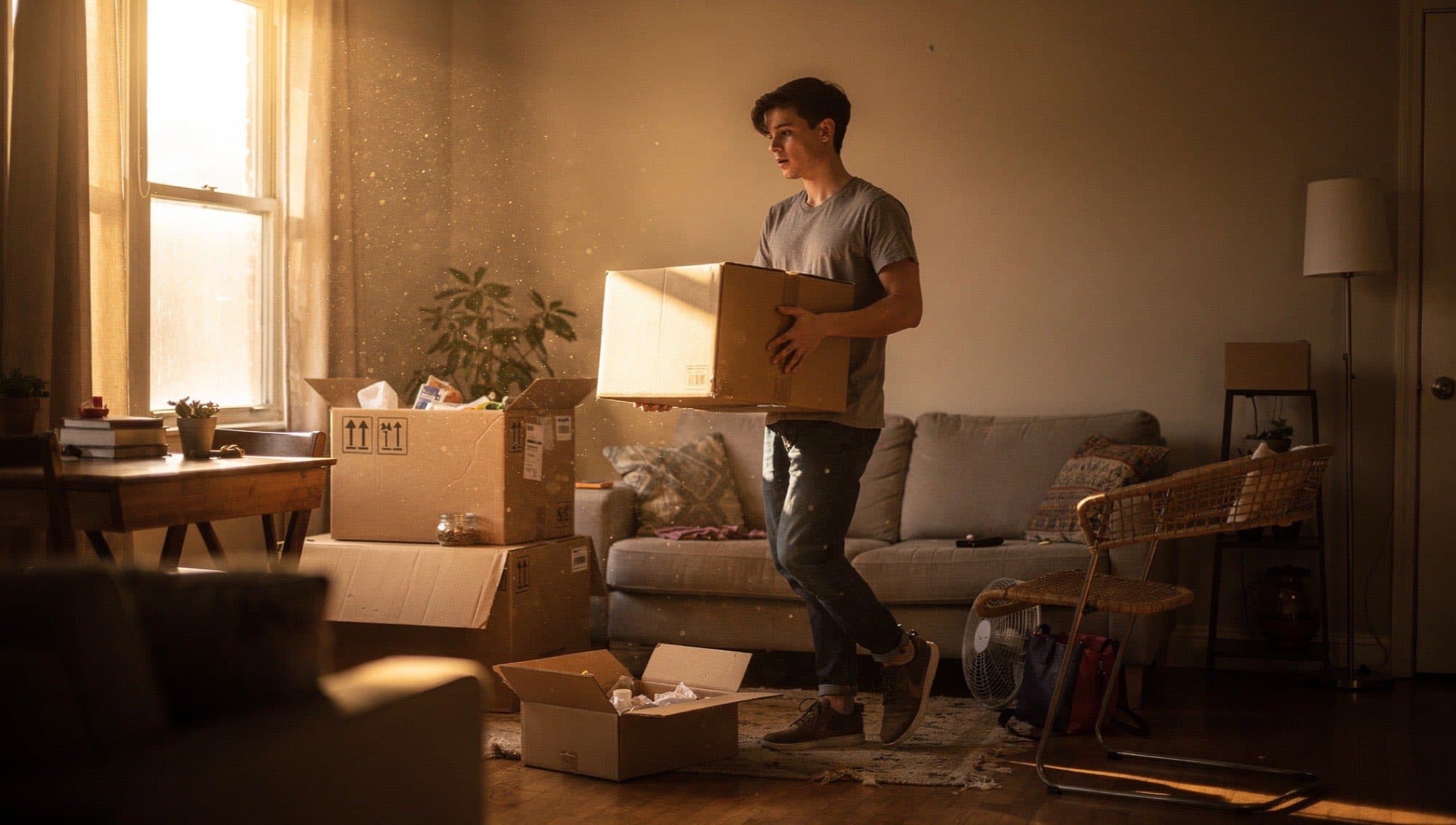
Renting in California comes with unique challenges, and protecting your personal belongings should be a top priority. Many renters assume their landlord's insurance covers their possessions, but that's a costly misconception. Renter insurance in California is an affordable way to safeguard your belongings—but understanding what's actually covered, especially when items are stored off-site, is critical.
Whether you're storing seasonal items in a unit or keeping excess furniture while transitioning between homes, you'll want to know exactly what your renter insurance policy protects. Let's break down California renter insurance coverage and answer the important question: are your storage unit belongings covered?
Personal Property Coverage
Renter insurance protects your belongings like furniture, electronics, clothing, and appliances from covered perils such as fire, theft, and vandalism.
Liability Protection
If someone is injured in your rental unit or you accidentally damage someone else's property, liability coverage helps pay medical bills and legal costs.
Additional Living Expenses
If a covered incident makes your rental uninhabitable, this coverage helps pay for temporary housing, meals, and other necessary expenses.
Storage Unit Coverage
Most standard policies extend personal property coverage to storage units, but with specific conditions and limitations you need to understand.
Understanding the Basics of California Renter Insurance
Renter insurance is designed to protect your personal belongings and provide liability coverage—two essential protections that your landlord's insurance simply won't provide. In California, renter insurance is not legally required, but it's highly recommended for anyone renting an apartment, house, or condo.
The average cost of renter insurance in California is remarkably affordable, typically ranging from $10 to $25 per month depending on your coverage limits and location. This small investment can save you thousands of dollars if disaster strikes.
What Does Renter Insurance Cover?
Standard renter insurance in California covers three main areas:
1. Personal Property Protection
This is the foundation of any renter insurance policy. It protects your belongings against specific "named perils," which typically include:
- Fire and smoke damage
- Theft and burglary
- Vandalism and malicious mischief
- Wind and hail damage
- Falling objects
- Explosions
- Lightning
- Damage from vehicles or aircraft
You'll choose a coverage limit (usually between $15,000 and $50,000) that represents the total value of items you want to protect. It's important to inventory your belongings to determine the right coverage amount.
2. Liability Coverage
If you're found legally responsible for injuring someone or damaging their property, liability coverage helps pay for:
- Medical expenses for injured parties
- Legal defense costs
- Court judgments and settlements
- Property damage you cause
Standard liability coverage in California typically ranges from $100,000 to $300,000 per incident.
3. Additional Living Expenses (ALE)
If a covered incident (like a fire) makes your rental uninhabitable, ALE coverage reimburses you for temporary housing, meals, and other necessary expenses while repairs are being made. This coverage usually covers 20-30% of your personal property limit.
California renters in earthquake-prone areas should consider adding earthquake coverage as an endorsement, since earthquakes are typically NOT covered under standard policies.
Does Renter Insurance Cover Storage Unit Belongings?
This is where many California renters get confused. The short answer is: yes, most renter insurance policies do cover belongings stored in off-premises storage units—but with important caveats.
What's Usually Covered
Most standard renter insurance policies extend personal property coverage to items stored in a rented storage unit. This means your furniture, boxes of clothing, electronics, and other possessions in the storage unit are protected against the same named perils covered at your rental home (fire, theft, vandalism, etc.).
The coverage typically applies to any "off-premises" property, which includes storage units, whether they're climate-controlled or not.
Coverage Limitations and Conditions
Here's where it gets important: while storage unit items are usually covered, there are critical limitations you must understand:
- Coverage Limits: Some policies limit off-premises coverage to a percentage of your total personal property limit (often 10% to 25%). If your main coverage is $30,000 with a 10% off-premises limit, you'd only have $3,000 coverage for storage.
- Specific Perils Only: Your storage unit belongings are covered for the same named perils as your rental unit, not "all-risk" coverage.
- Water Damage: Standard policies may not cover water damage in storage units (like flooding or burst pipes), so check your specific policy.
- Climate Control Not Required: You don't need climate control for coverage, but uninsured damage from extreme conditions might apply.
Always verify with your insurance agent whether your specific policy covers storage units and if there are any sublimits. Don't assume—ask your provider directly about off-premises coverage before renting a storage unit.
Items That May NOT Be Covered in Storage
Some belongings have special limitations even in standard coverage:
- Jewelry and precious metals (usually limited to $500-$2,500 per item)
- Cash and securities
- Business equipment or inventory
- High-value art or collectibles
- Items in long-term storage (some policies have time limits)
- Vehicles and motorized equipment
If you're storing valuable items, you may need to schedule them separately or purchase additional coverage known as "floaters" or "endorsements."
Tips for Maximizing Your Storage Unit Coverage
Document Your Belongings
Create a detailed inventory of everything in your storage unit with photos or video. This documentation is invaluable when filing a claim. Include serial numbers, purchase dates, and approximate values.
Review Your Policy Limits
Talk to your insurance agent about ensuring your off-premises coverage limit is adequate. If you're storing valuable items, consider upgrading your policy or adding scheduled property endorsements.
Choose a Secure Storage Unit
While insurance protects you financially, prevention is better. Select a reputable storage facility with good security features like surveillance cameras, on-site management, and secure locks.
Keep Your Policy Updated
As you add or remove items from storage, notify your insurance company. Changes in your belongings' value may affect your coverage needs.
Get the Right Coverage for Your Situation
Whether you're storing items temporarily or long-term, understanding your renter insurance coverage is essential. California renters deserve peace of mind knowing their belongings are protected, whether they're at home or in a storage facility.
The key is not to assume—reach out to your insurance provider and ask specific questions about storage unit coverage, limits, and any exclusions. Every policy is different, and what works for one renter might not be ideal for another.
Don't let uncertainty about coverage leave you vulnerable. Take control of your rental property protection today, and make sure your storage unit belongings have the coverage they deserve.
Get a Free Renter Insurance Quote Today
SureNest Insurance Services in Santa Clara specializes in helping California renters find affordable, comprehensive coverage tailored to their needs. Whether you have questions about storage unit coverage or need a personalized policy review, our experienced team is here to help. Check out our website at https://surenestinsuranceservices.com/personal for more information and contact us at [email protected] for a free quote and peace of mind.